Research and Performance on Tsuji Masanobu
SAM Residencies
Singapore Art Museum (Singapore)
Residency: September–November 2025
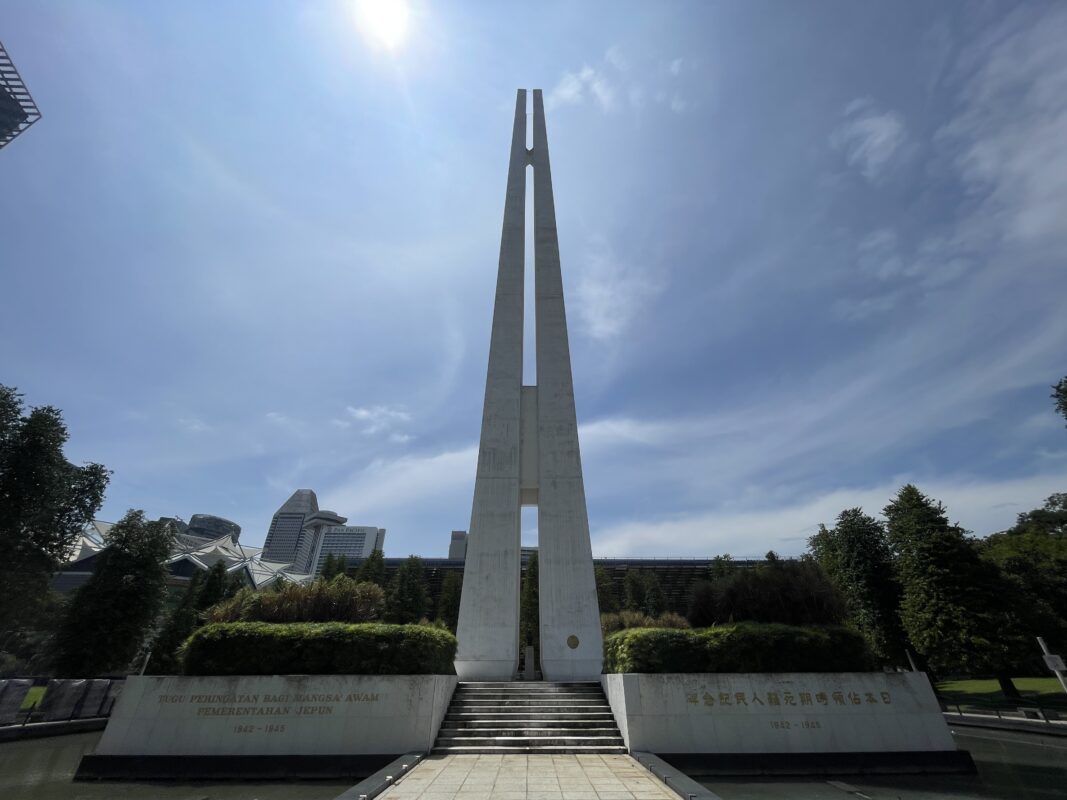
From September to November 2025, I took part in the residency program at the Singapore Art Museum (SAM), researching the history of the Japanese occupation in Southeast Asia and its connections to my home prefecture of Ishikawa. What grew out of this, and continues today, is research and artmaking around Tsuji Masanobu—a native of Ishikawa who served as an operations staff officer in the Imperial Japanese Army and became a member of the National Diet after the war—and his bronze statue.
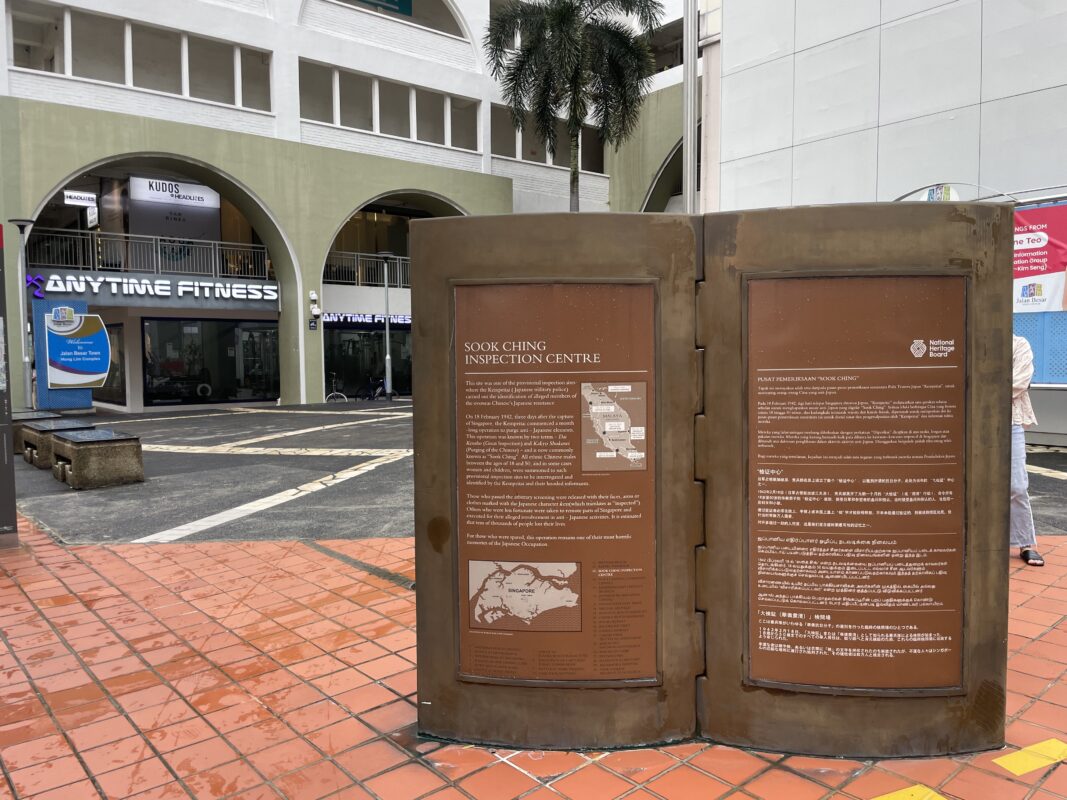
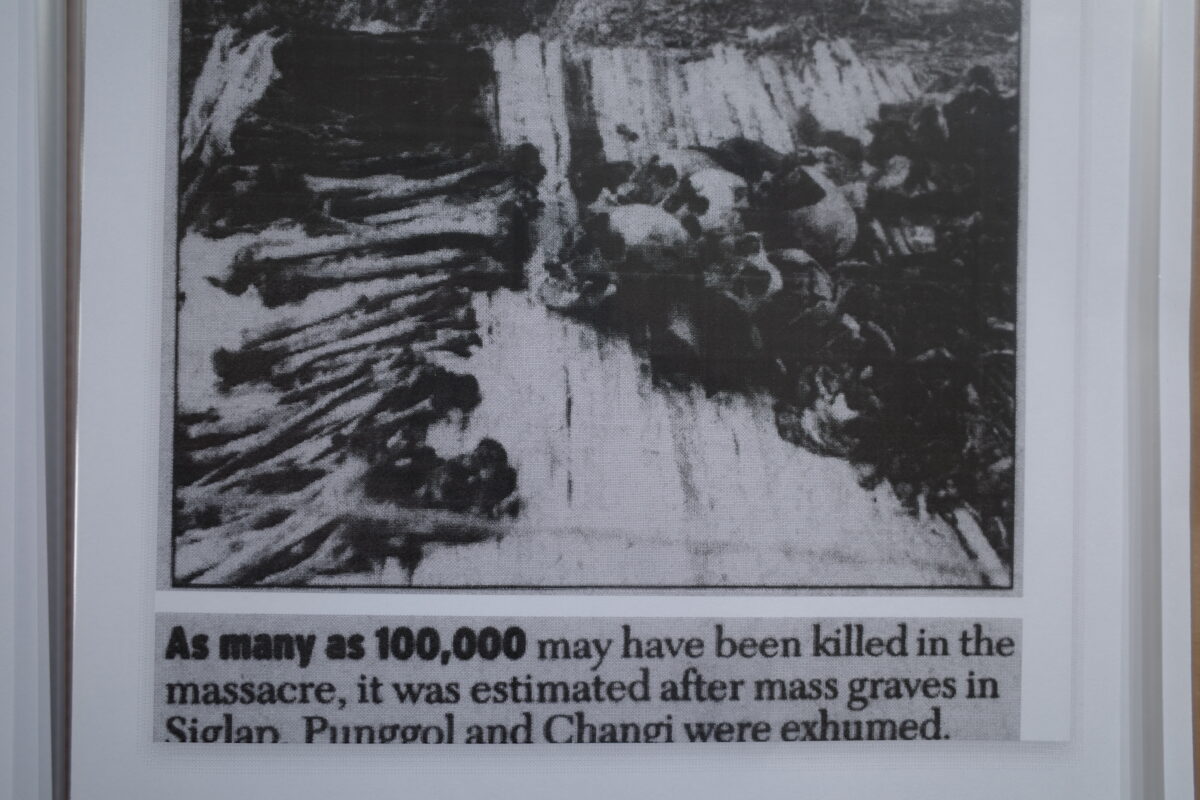
In Singapore, I looked into how Tsuji, who is said to have directed the Sook Ching purge of the Chinese community, is remembered locally, and I discussed his statue, which still stands in Ishikawa, with many people. After returning to Japan, drawing on connections made through my report sessions, I carried out a small intervention (performance) on the statue and documented it on camera. The research is ongoing, including interviews with Tsuji’s bereaved family and local residents and research into the statue’s maker.
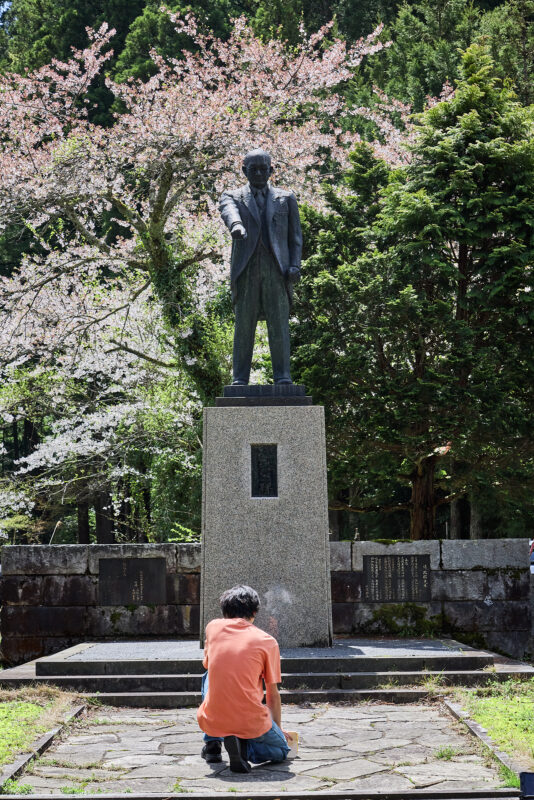
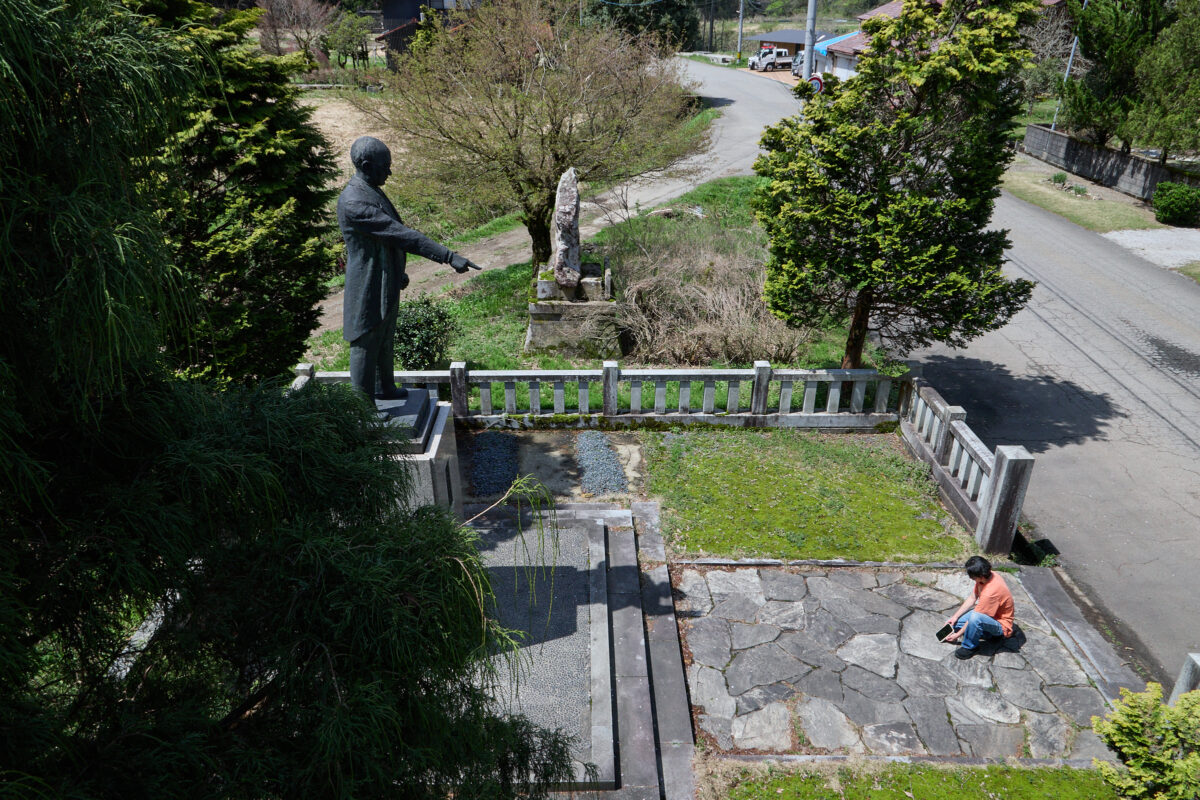
Tsuji Masanobu was born in 1902 in what is now Kaga City, Ishikawa Prefecture. Though he came from a poor charcoal-making family, he advanced from the Army Cadet School to the Imperial Japanese Army Academy (graduating at the top of his class) and the Army War College, and became an operations staff officer in the Imperial Army. During the Second World War he was involved as a staff officer in numerous operations, including the Nomonhan Incident (1939), the Malayan Campaign and the lightning fall of Singapore with its bicycle troops (1941–42), and the Battle of Guadalcanal (1942–43), and he was hailed as the “god of operations.” At the same time, he has repeatedly been criticized for acting on his own in defiance of the chain of command and for involvement in war crimes. He is said to have led the Sook Ching purge of the Chinese community immediately after the fall of Singapore, and is also reported to have ordered, on his own authority, the execution of prisoners of war on the Bataan Peninsula in the Philippines. In Bangkok at the time of Japan’s defeat, Tsuji disguised himself as a Buddhist monk and went underground to avoid being tried as a war criminal, secretly returning to Japan about three years later via Thailand, Laos, Vietnam, and China. In 1950, when his designation as a war criminal was lifted, he published Senkō Sanzenri (Underground Escape), an account of his flight. The book became a huge bestseller in postwar Japan, and records show that as many as 30,000 people gathered to hear him speak at Kenrokuen Garden in Kanazawa in midsummer.
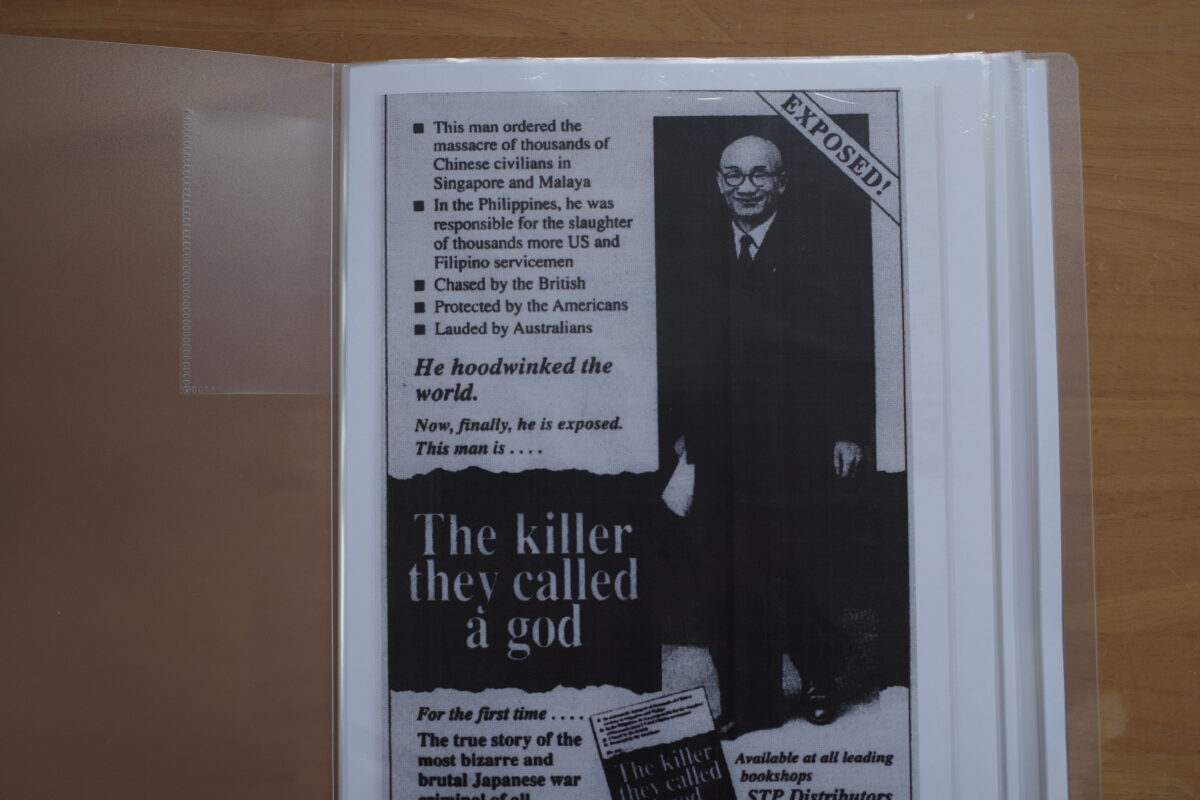
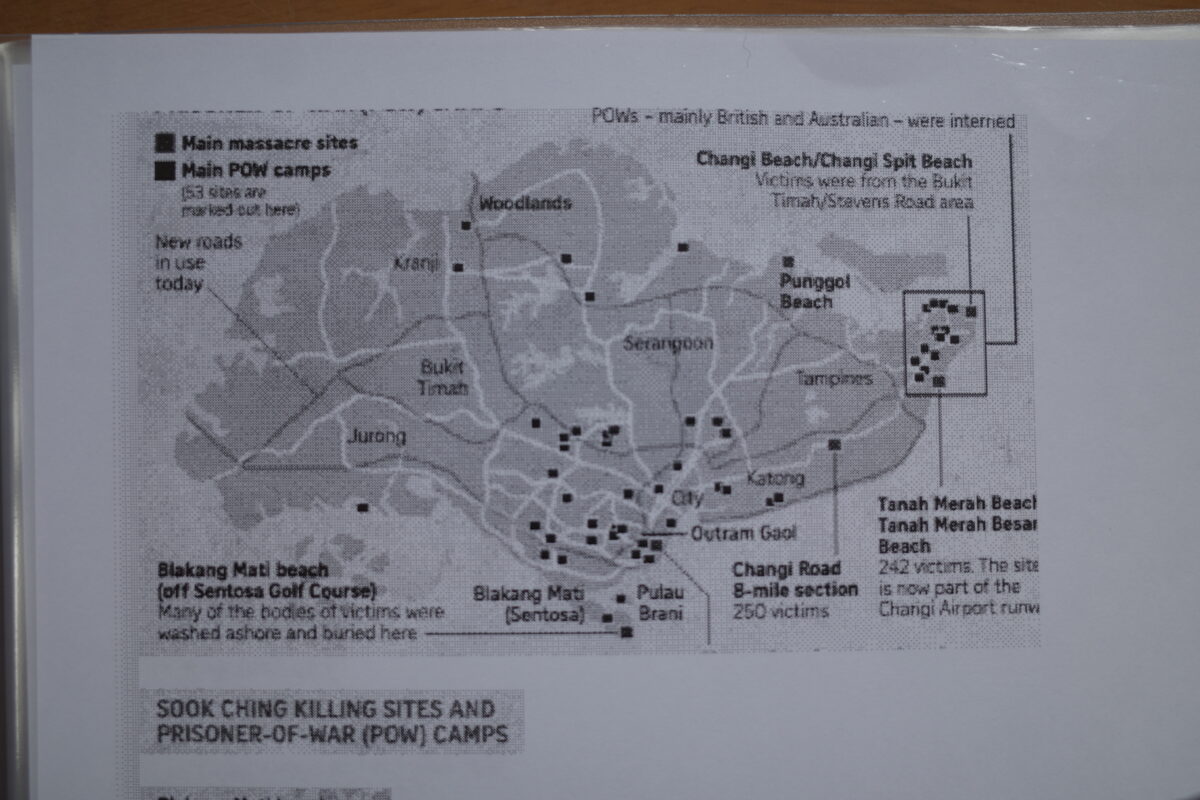
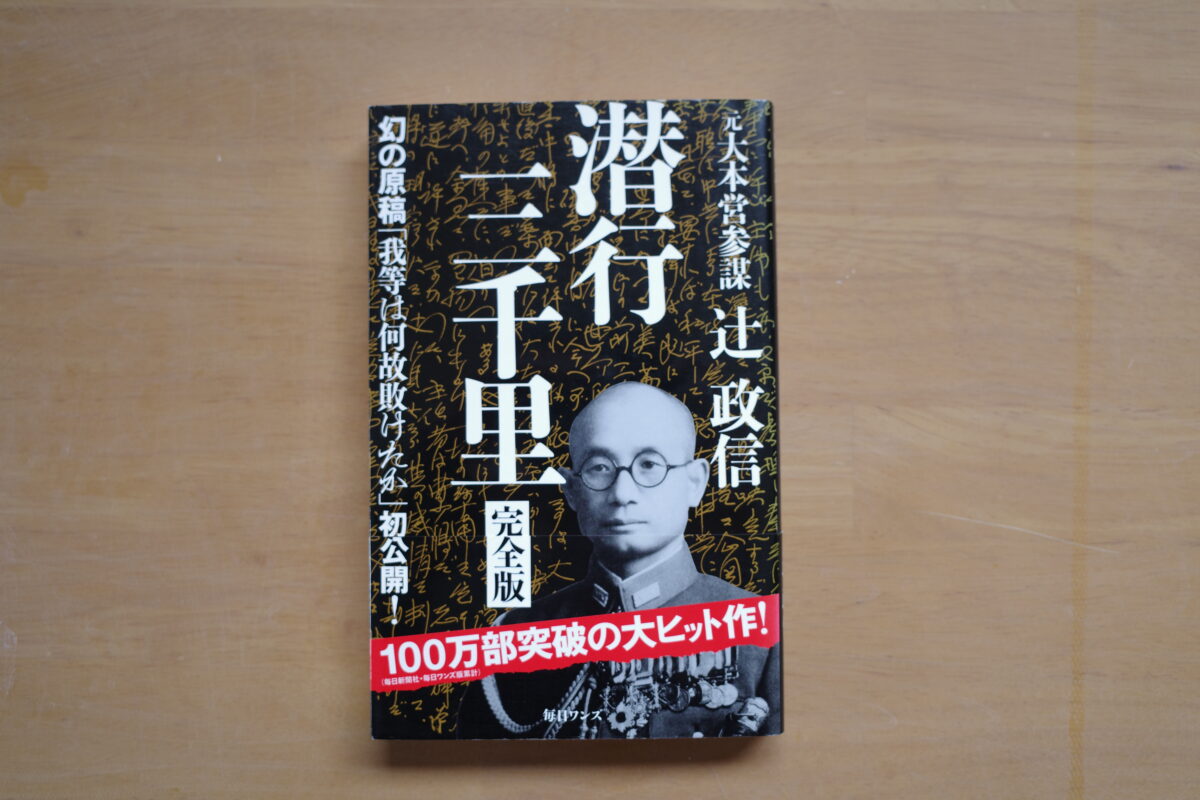
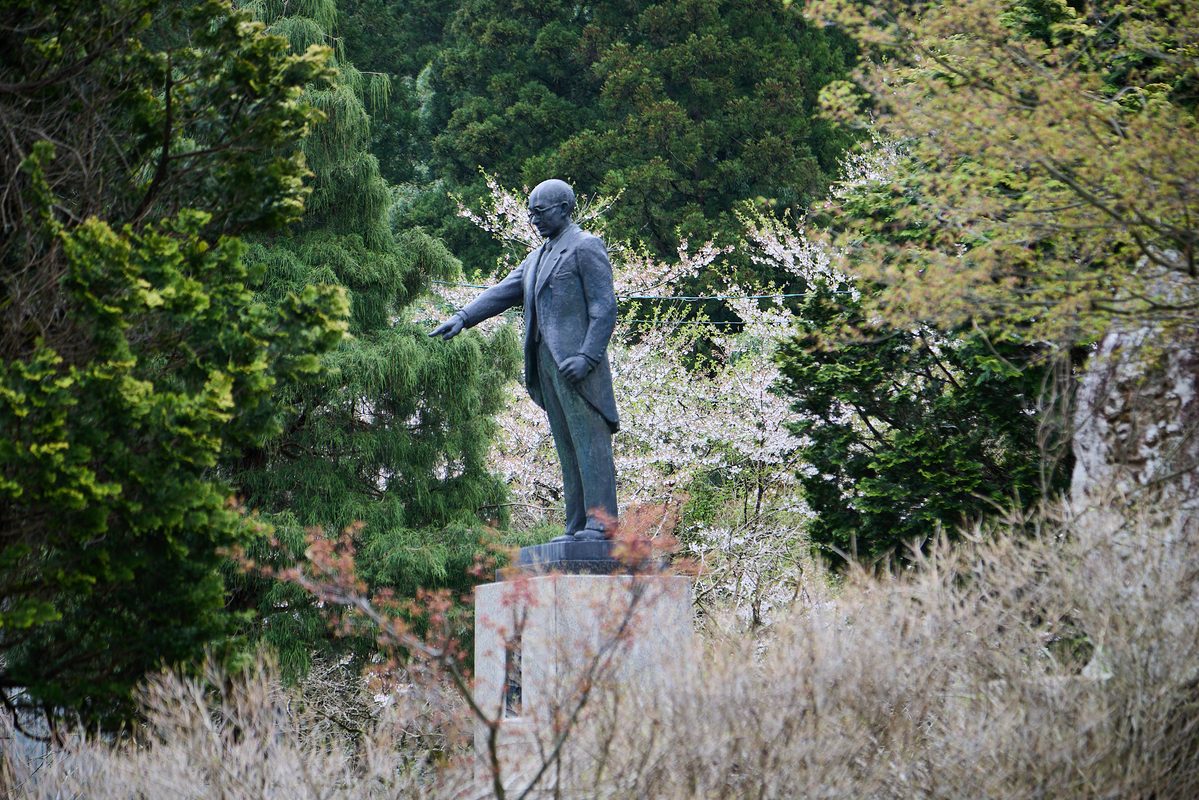
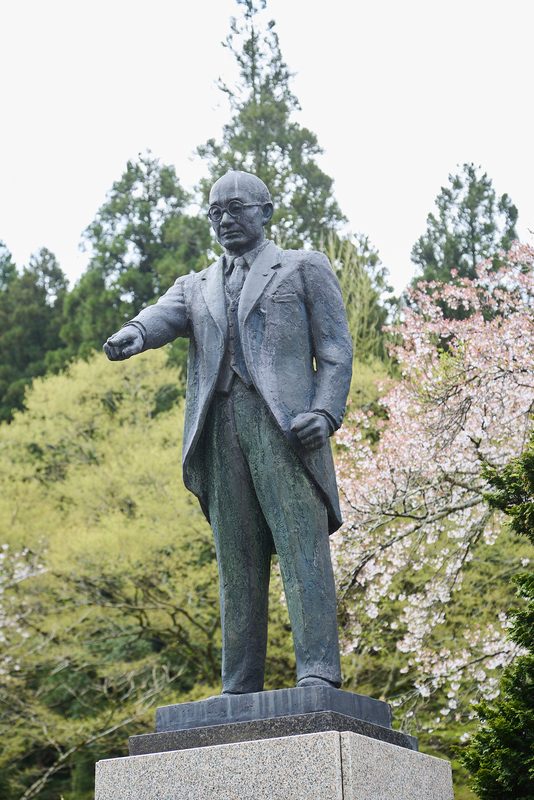
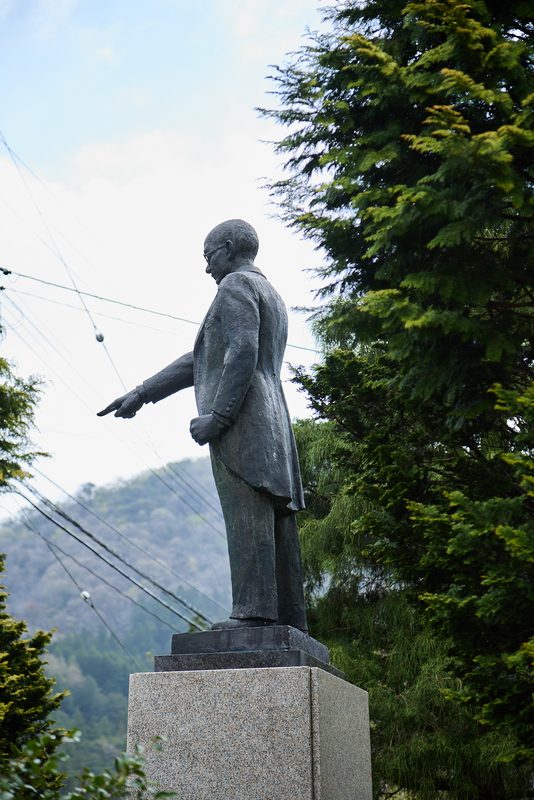
Riding this popularity into politics, he topped the poll in Ishikawa’s 1st district in the 1952 House of Representatives election, and in the 1959 House of Councillors election won the third-highest vote in the national constituency. In 1961, while still a sitting member of the House of Councillors, he traveled alone to Laos and disappeared near the Plain of Jars. Various theories have circulated, including execution by Laotian communist forces and assassination by the CIA, but whether he is alive or dead has never been confirmed. He was legally declared dead in 1968. In 1979, eighteen years after his disappearance, local people and supporters who believed he would “come back someday” raised donations and erected a bronze statue about 4.6 meters tall, including its pedestal, in Aratani-machi, Kaga. According to the late sculptor Yasuo Ishida (professor emeritus at Kanazawa College of Art), who made the statue, the downward-pointing pose “indicates the future course of Japan.”
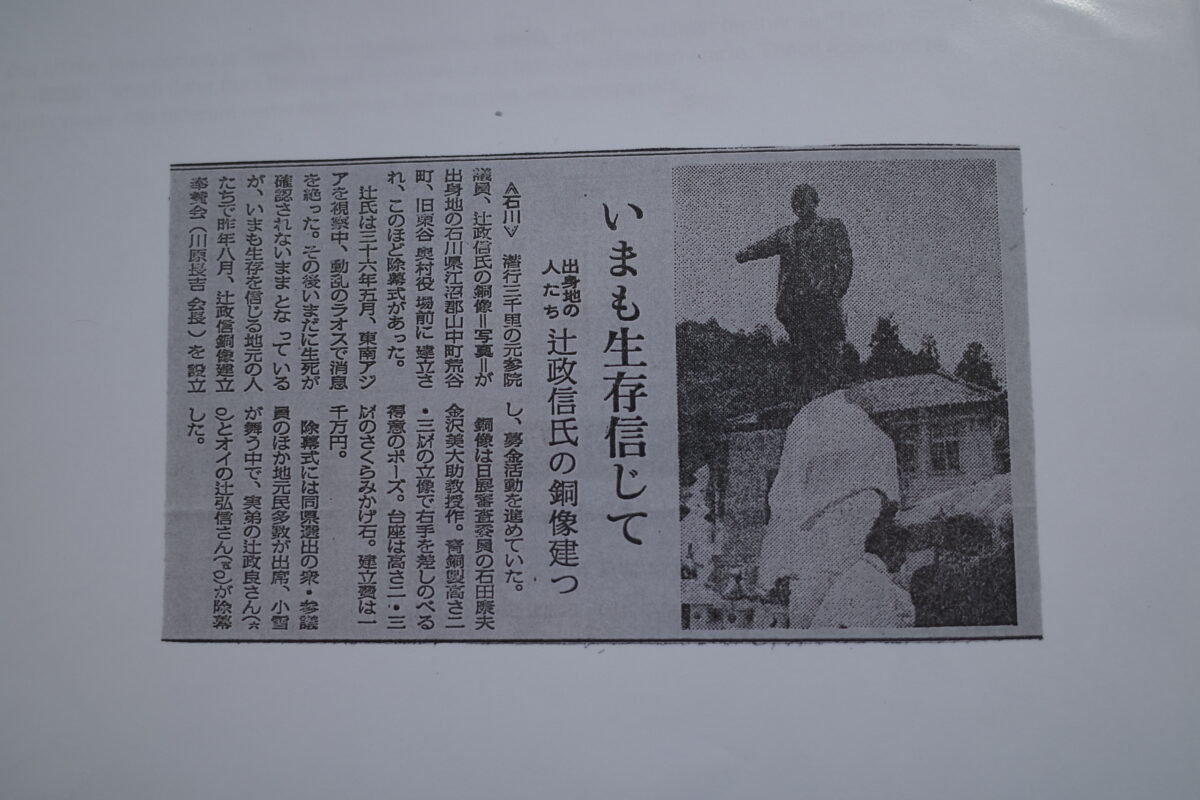
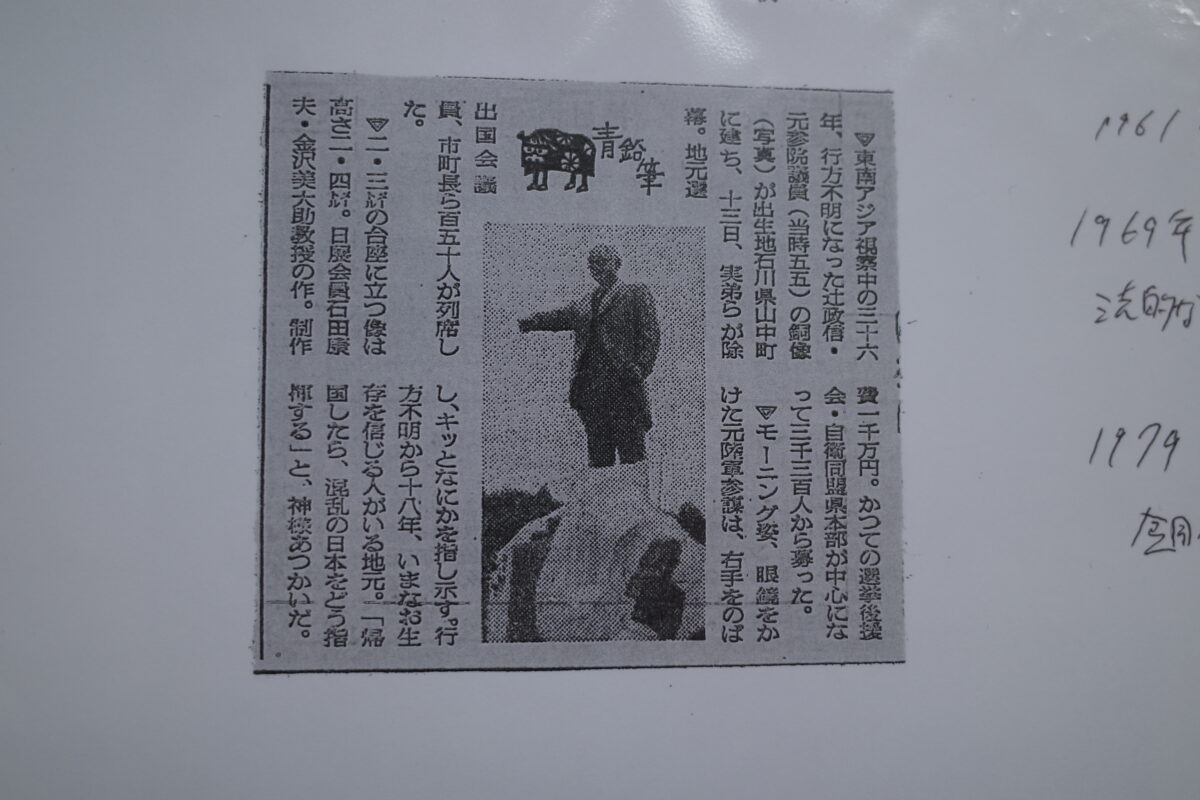
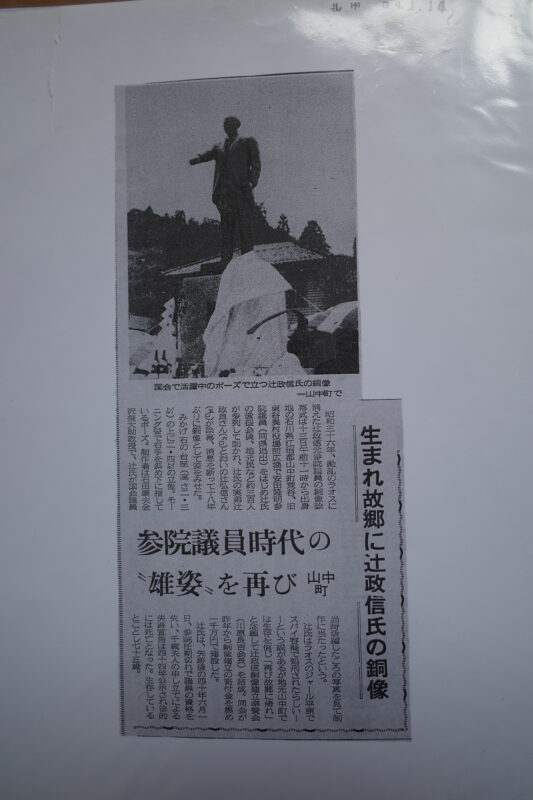
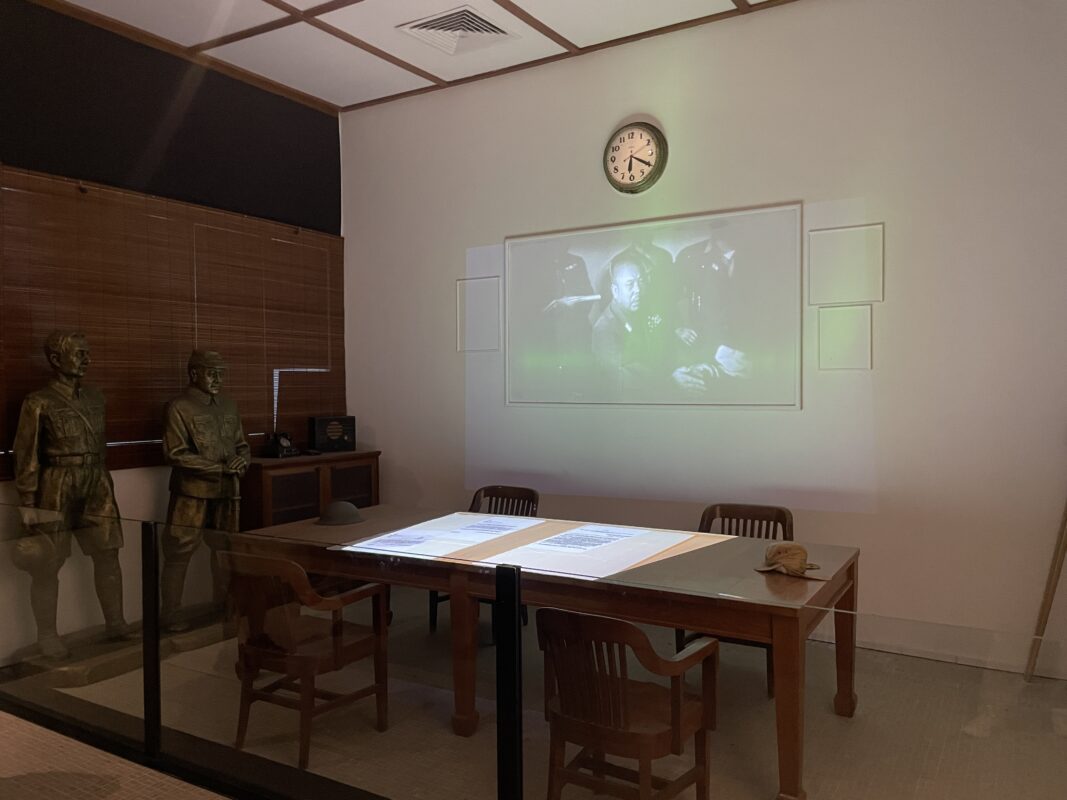
During my stay in Singapore, I investigated how Tsuji Masanobu is positioned in the country’s historical memory. In the exhibitions on the Japanese occupation at the Former Ford Factory and the National Museum of Singapore, the name and face of Yamashita Tomoyuki, commander of the 25th Army known as the “Tiger of Malaya,” appeared in many places. Of Tsuji Masanobu, whose involvement in Sook Ching has been pointed out, I found only a photograph of his face appearing for a moment in a video at the National Museum.

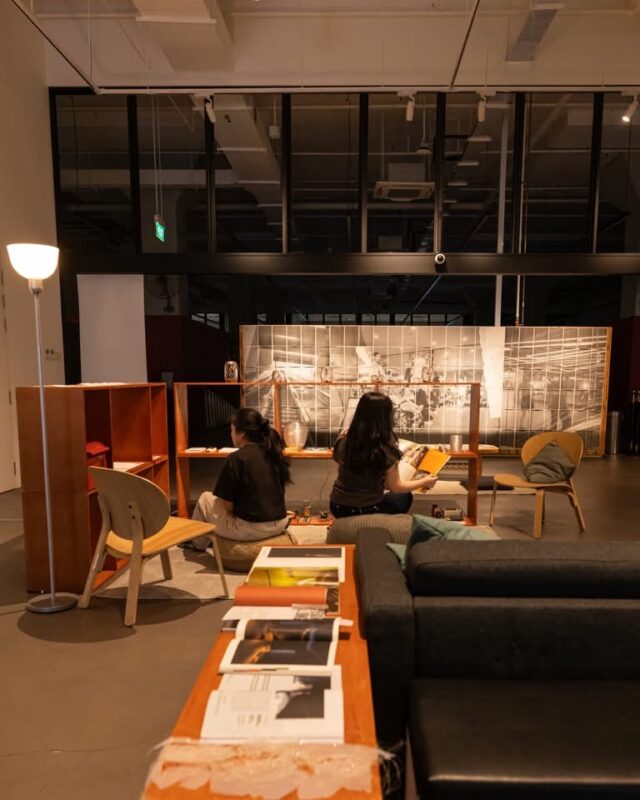
At the open studio, I shared my research and talked with many people about the existence of this statue. Some knew the name Yamashita Tomoyuki, but I did not meet a single person who knew of Tsuji. I was also able to meet Singaporean artists making work about Singapore under Japanese occupation. Chong Li-Chuan’s grandfather went through Sook Ching and was fortunate enough to survive; Anthony Chin’s grandfather lost several children while moving from China to Malaysia and then Singapore. Neither of them knew Tsuji’s name. There are Singaporean researchers who have published books on Tsuji, but with the change of generations, he seemed to be almost unknown among younger people.
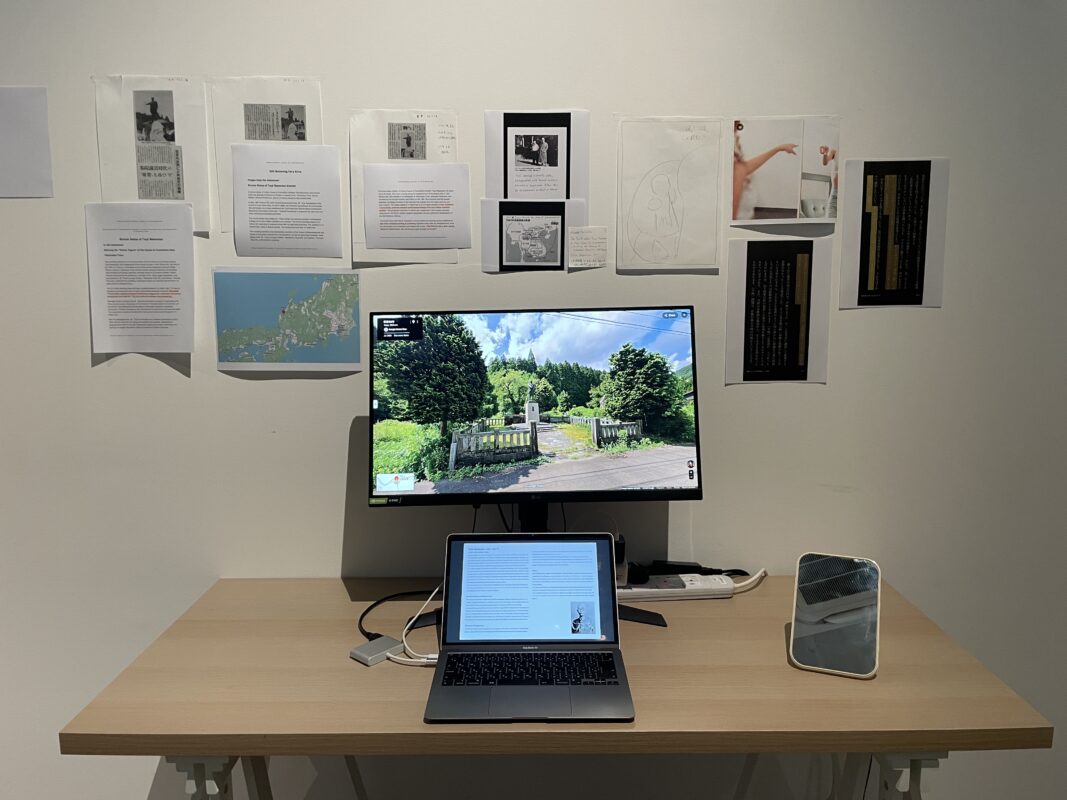
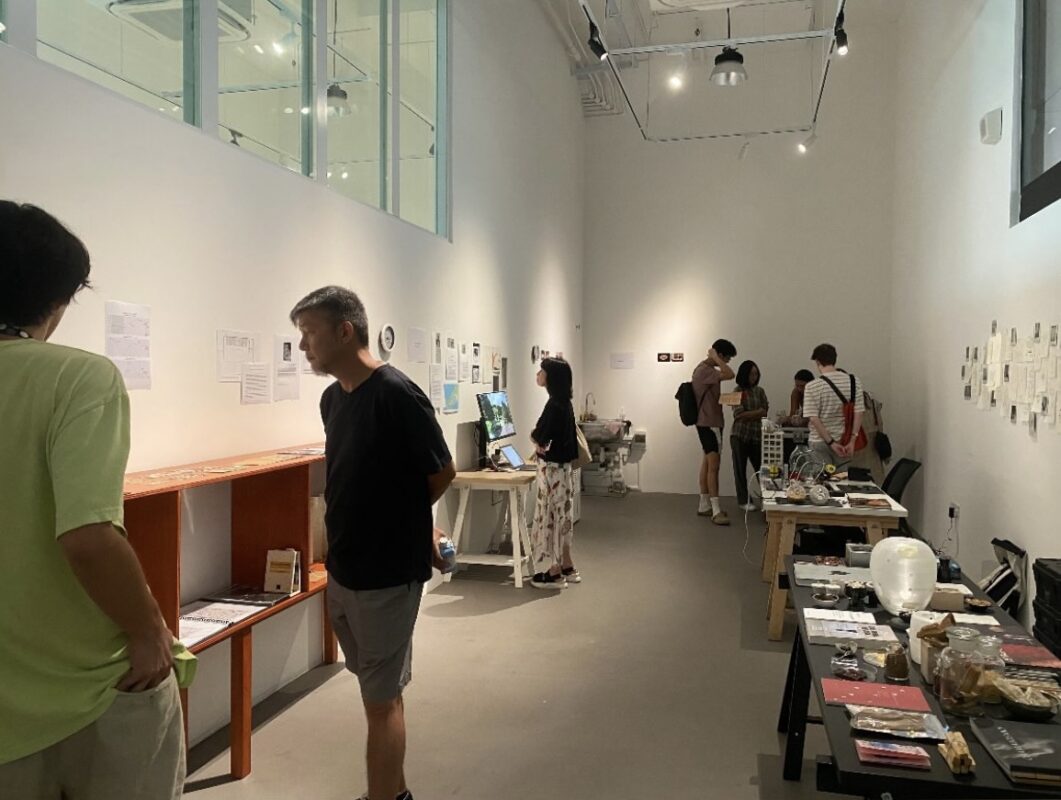
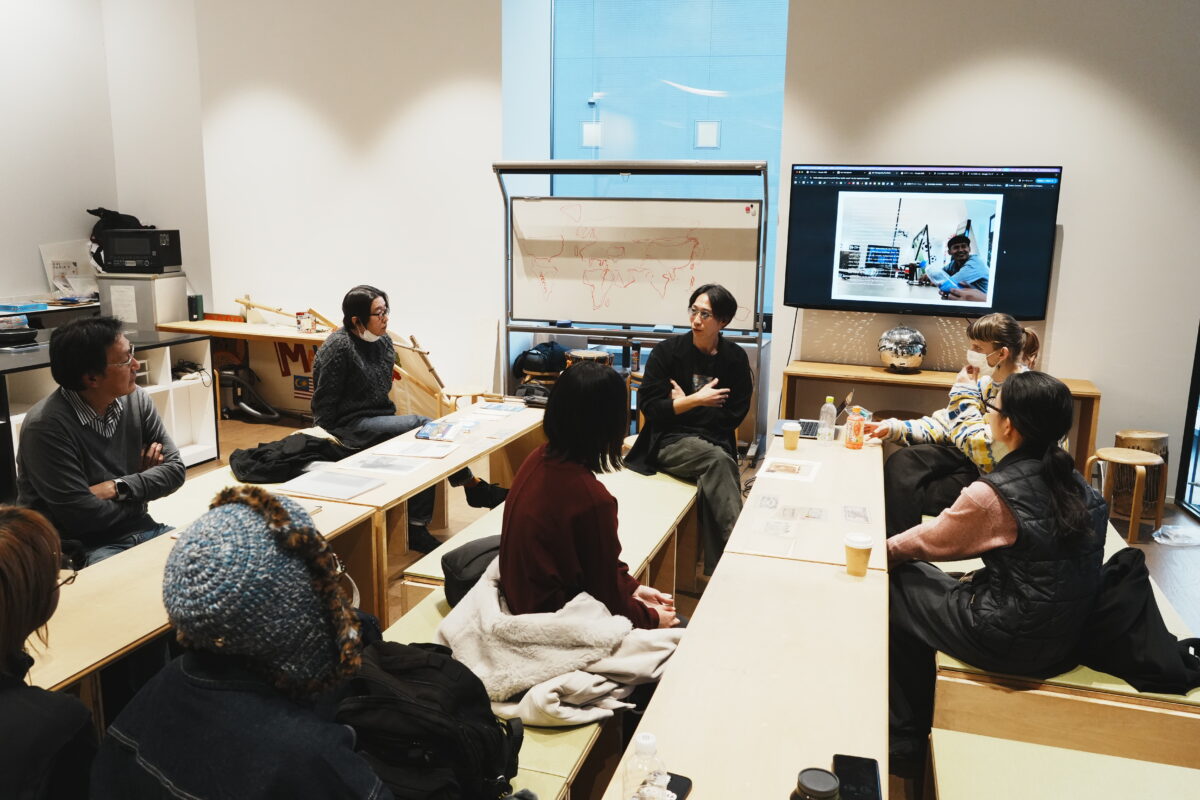
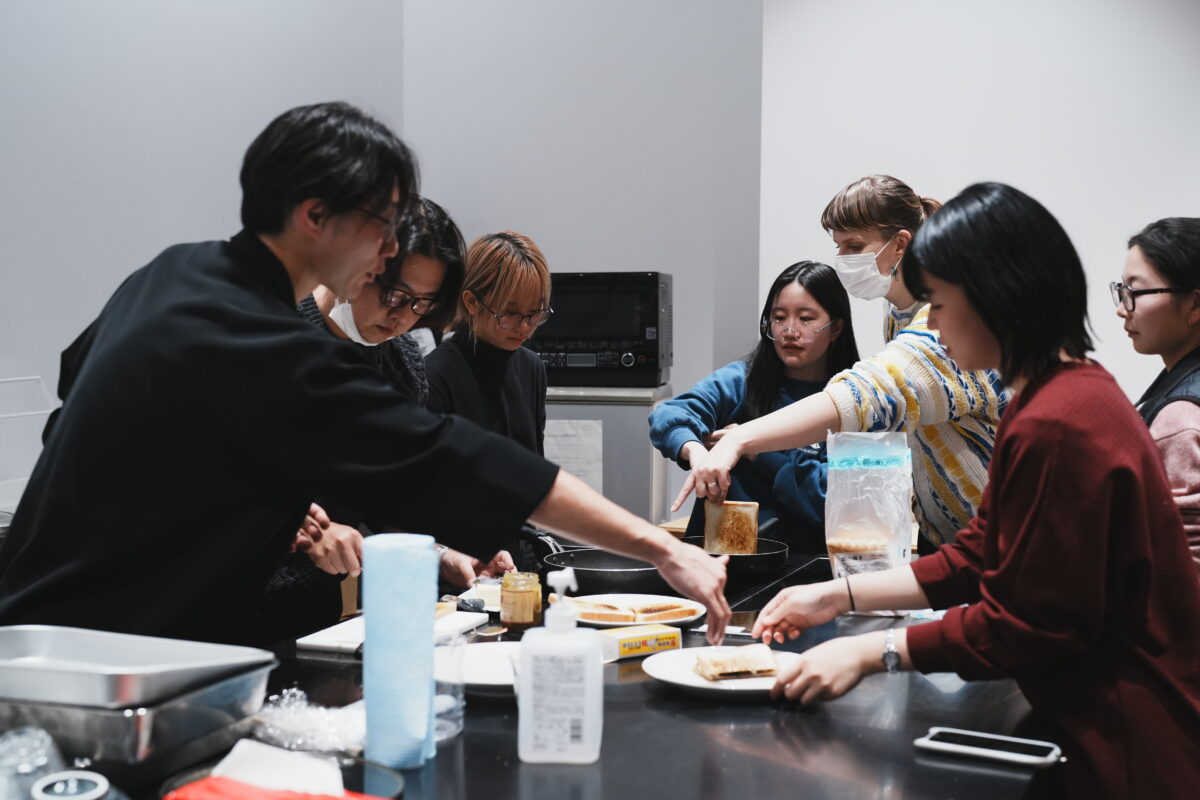
After returning from the residency in December 2025, I held report sessions on my research at COURTYARD HIROO (Tokyo), Kyoto Seika University (Alina Zhdanova’s seminar), the artist-run space Hey! Nagaya (Kanazawa), and Donguri no Sato (Komatsu, Ishikawa). Through the cooperation of local residents I met at these sessions, the research has led to contact with Tsuji’s bereaved family and to the realization of the performance.
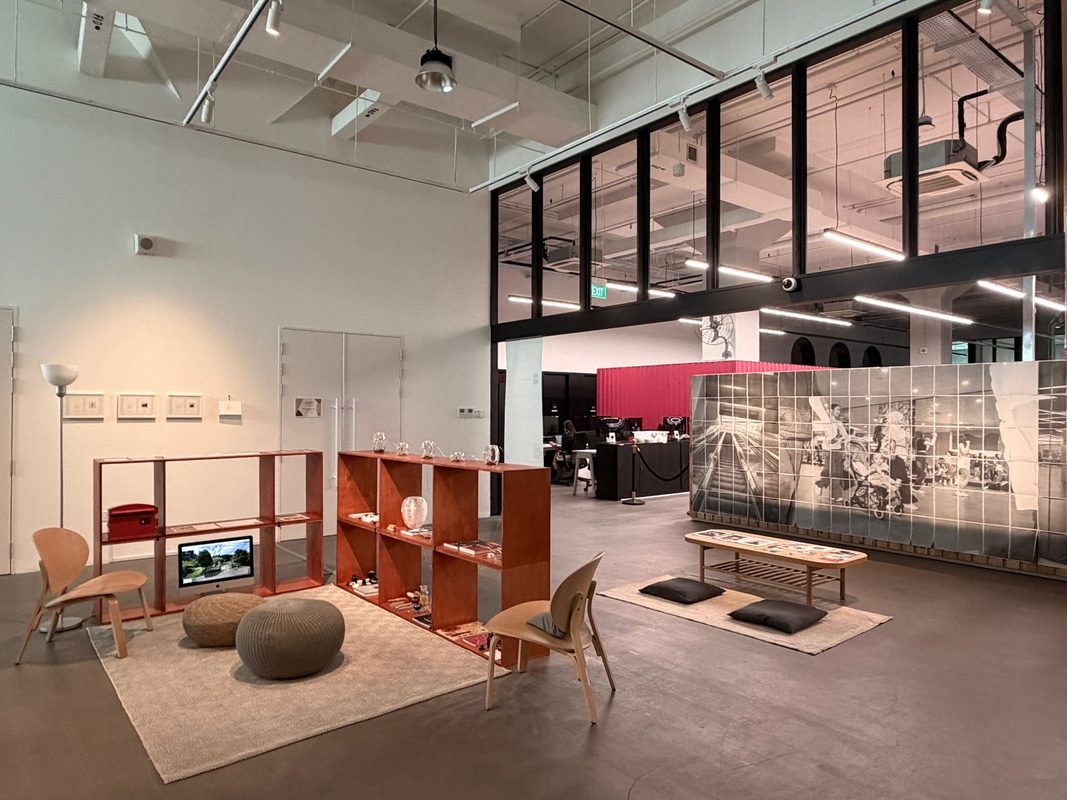
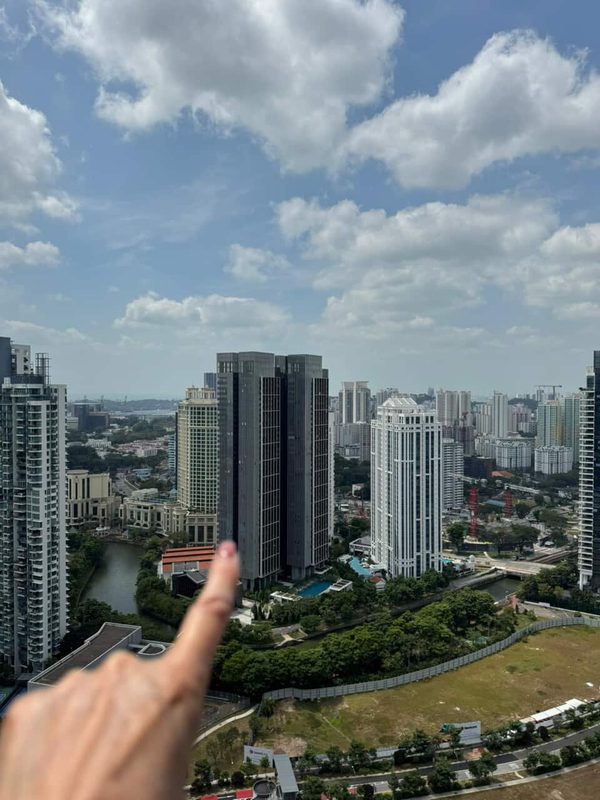
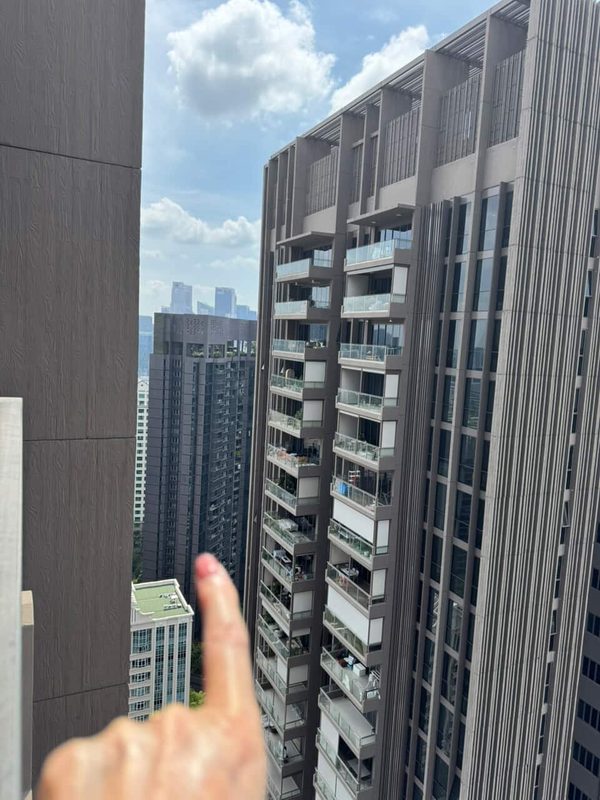
In January 2026, I took part in Singapore Art Week as part of the SAM residency team, exhibiting research materials on the statue of Tsuji Masanobu together with a letter addressed to the audience. Enclosed with the letter was an instruction: “Point in the direction you want to point, and send a text, photograph, or drawing of what lies in that direction.” The photographs sent in response to this instruction show scenes being pointed at in various places around Singapore.
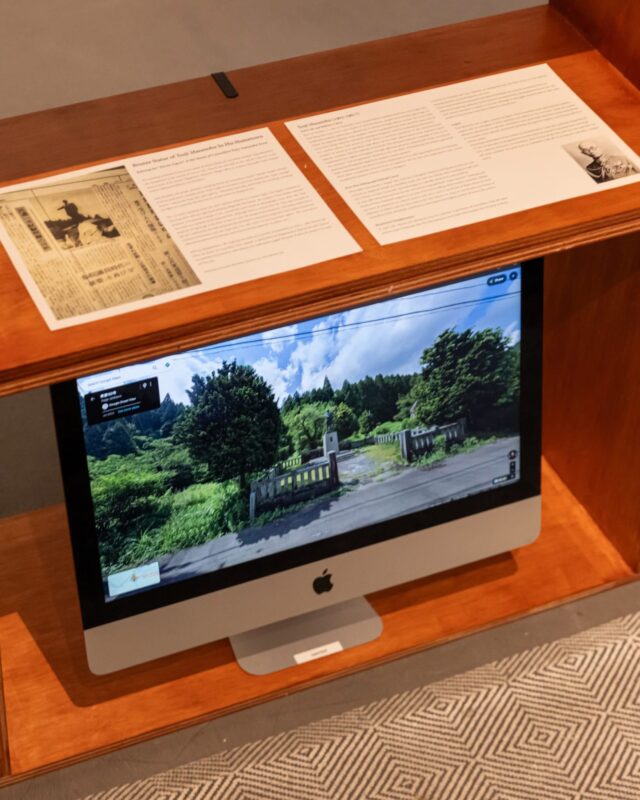
In February 2026, through correspondence with the Culture Division of Kaga City Hall, I learned the following about the statue of Tsuji Masanobu:
- The pedestal is about 2.2 meters and the statue about 2.4 meters, for a total height of about 4.6 meters
- The foundation of the statue has been rebuilt once
- The fence around the statue was installed later
- The land on which the statue stands is owned by Kaga City (donated around 1998)
- Ownership and maintenance of the statue are the responsibility of the Aratani District Community Development Council. It was formerly managed by the agricultural cooperative and took its current form after a merger
- The council pays local residents to cut the grass around the statue. These operating costs are covered by the donations collected when the statue was erected, but the funds are nearly exhausted
- The council would like Kaga City to take over the maintenance of the statue, but negotiations have not progressed
- The Tsuji family is not involved in the maintenance of the statue in any way
In March 2026, through a connection that began at the report session in Komatsu, I had the opportunity to speak with members of Tsuji’s family living in Ishikawa Prefecture: Shizue Tsuji (wife of Tsuji’s nephew Hironobu) and her daughter, Kazuko Hiraoka. According to Kazuko, the statue’s future is to be “left to fate.”
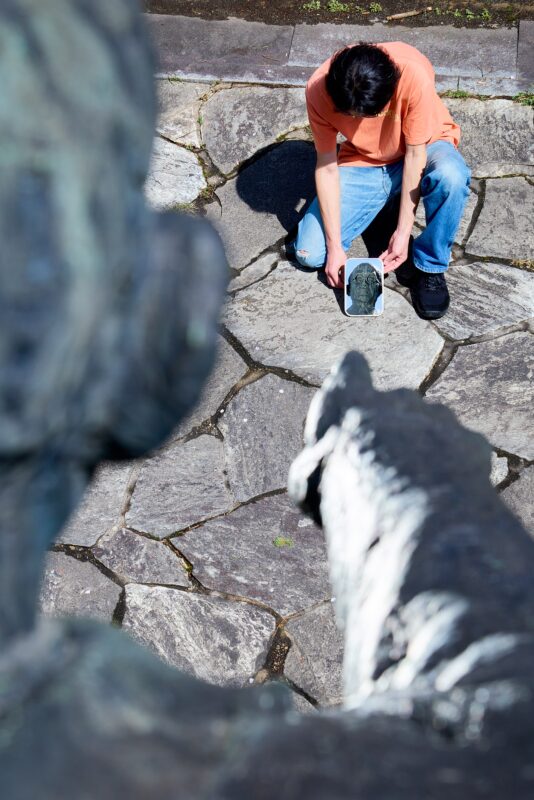
In April 2026, with permission from Kaga City Hall and the Aratani District Community Development Council, I carried out a performance and documentation shoot on site. After photographing and archiving the entire statue with the help of a crane truck, I performed a small action: using a mirror bought in Singapore’s Chinatown, I reflected Tsuji’s pointing finger—said to “indicate the future course of Japan”—back onto his own face.
The phenomenon of Tsuji Masanobu’s account of his escape becoming a bestseller after the war, and of his winning popular support as a politician, is a microcosm of postwar Japanese society, which rushed into rapid economic growth while leaving its war responsibility ambiguous; it is also intricately entangled with Cold War U.S. policy toward Japan, shaped by fears of communism spreading in China and the Soviet Union. How have Japan’s acts of aggression against other Asian countries faded, or been deliberately diluted? I believe that Tsuji Masanobu, and the statue that still stands in public space, can serve as an entry point for asking what postwar Japanese society has remembered and what it has forgotten. What this project also aims to do is to use Tsuji’s statue as a medium for opening up spaces of dialogue with people about its continuity with the political situation unfolding today.