KDDI
Traveling With One Smartphone
KDDI Research, Inc. / KDDI research atelier / FUTURE GATEWAY
2021–2023
Joint research project
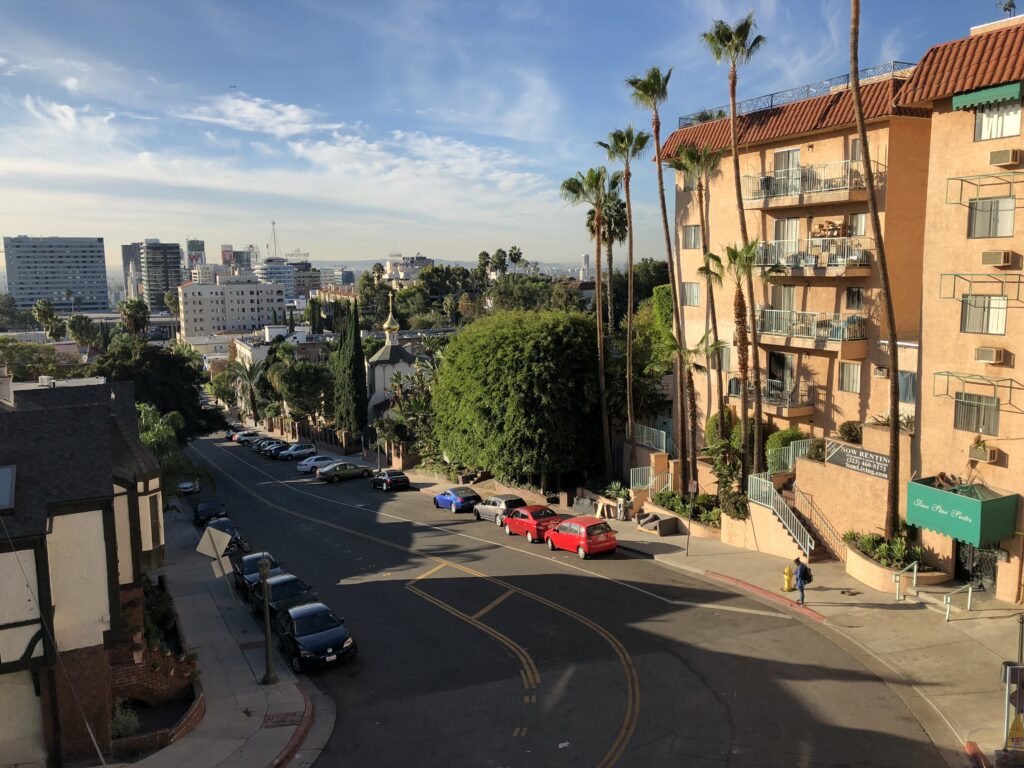
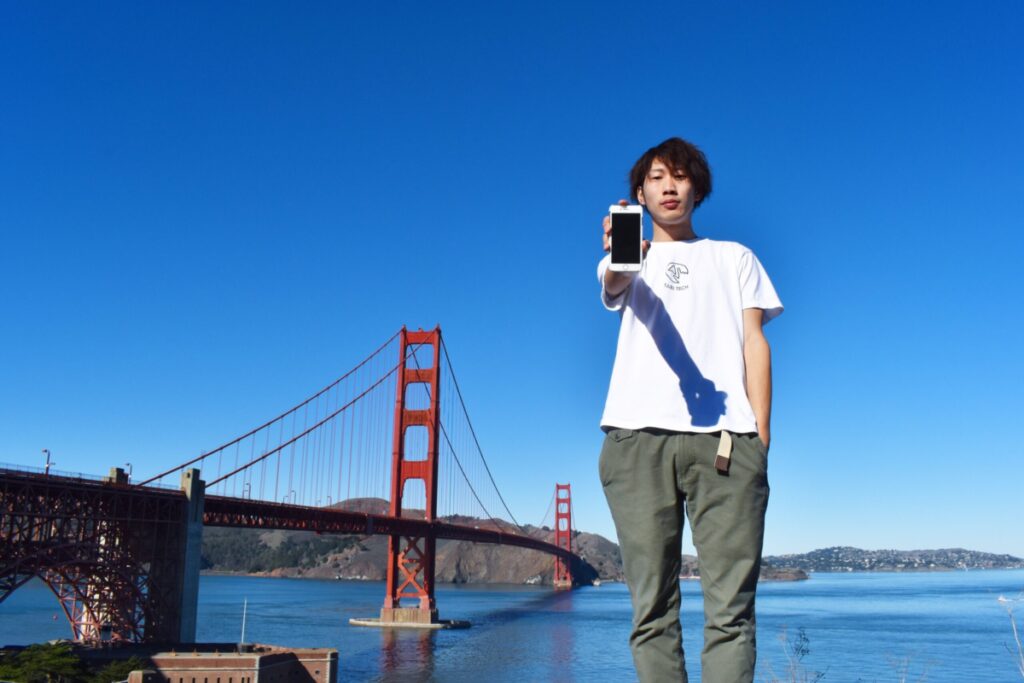
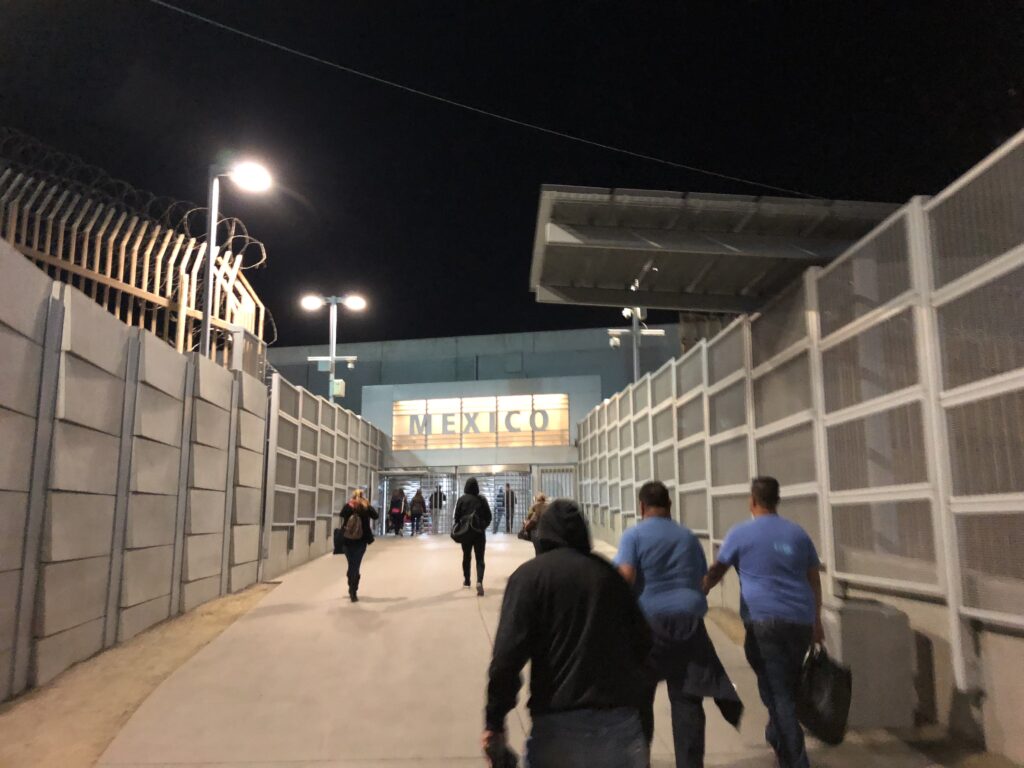
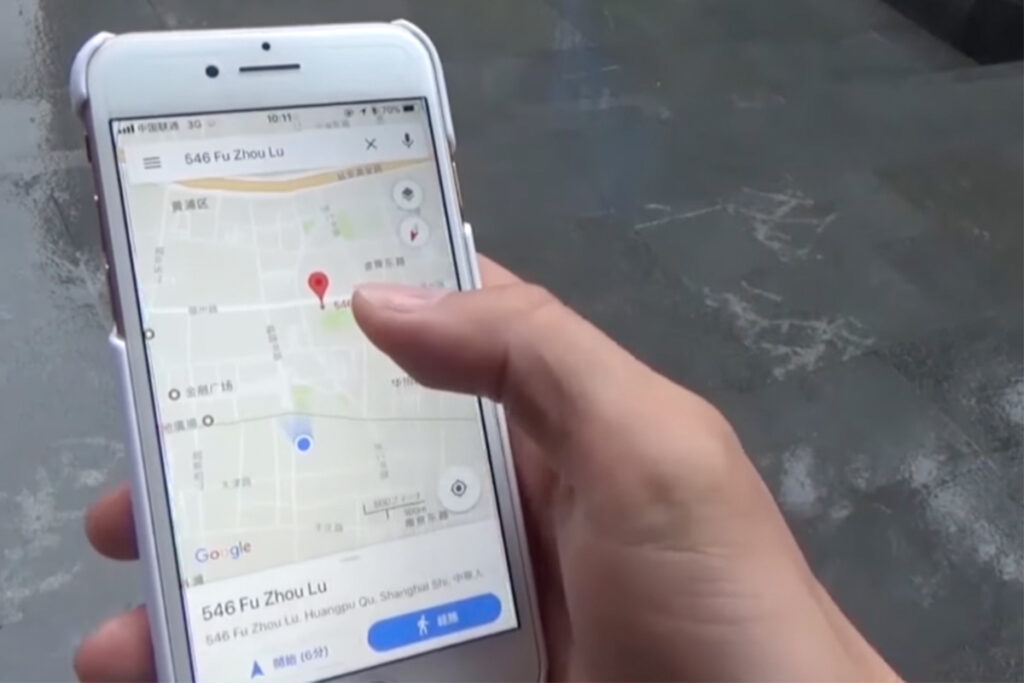
Traveling With One Smartphone is a performance in which I travel carrying only a single smartphone (plus a passport when going abroad)—no clothes, no cash, no charger. In 2017, I visited Shanghai, Los Angeles, and Tijuana (Mexico) as lightly as if dropping into a neighborhood café. Having grown up in an island nation, I had long felt the “border” to be a major psychological barrier. At a time when flights, lodging, and payments were starting to be handled entirely by smartphone, it was an attempt to test in advance, with my own body, how far that barrier could be lightened. In practice, in Shanghai almost everything could be done with apps alone; in the United States, card payments dominated and I struggled; and in Mexico, I could do nothing without cash. Though it looks like a smart journey making full use of technology, in reality it is an analog journey that cannot happen without the help of the people around me. This deliberate vulnerability invites unpredictable situations and improvised responses to them.
From 2021, I carried out joint research starting from this work at FUTURE GATEWAY (KDDI research atelier, Toranomon, Tokyo), a research base of KDDI Research, Inc. that envisions future lifestyles for 2030. The theme we set was “a lifestyle with no physical or psychological barriers to movement.” Together with the researchers, I examined what makes people hesitate to travel, and whether technology and services could untangle it. One starting point was an imbalance in mobility itself: as of 2020, only 21.8% of Japanese people held a passport, and about 40% of those holders were concentrated in Tokyo.
In March 2022, I held the first workshop at KDDI research atelier. We brought together researchers in behavior change and cross-border residents who have built movement into their everyday lives. In the first half, we discussed “What is the ultimate form of travel, with no physical or psychological barriers at all, and why hasn’t it spread in Japan?”; in the second half, services that might remove the hurdles raised. Concrete voices that keep people away from travel emerged: “What if I can’t make myself understood?”, “It disrupts my usual routine,” “I’m bad at coordinating time.” At first I believed, as I had done in Traveling With One Smartphone, that the capability to travel with less luggage was the key to crossing borders. But the workshop and a review of research papers on behavior change revealed that motivation and opportunity, more than capability, tend to trigger action—that is, border-crossing.
In April of the same year, I carried out a domestic Traveling With One Smartphone (Tokyo–Saitama–Yamaguchi), my first in five years. Most of the situations that had required cash in 2017 could now be handled cashlessly; while this confirmed that technological progress was changing the very quality of the practice, I was left with the sense that what ultimately supported my movement was, in the end, connections with people. In response, Phase 2 targeted “people who want to travel but can’t quite take the last step,” testing an approach built around “drifting and meeting up.” Placing drifting alone and meeting someone along the way on the same system, we are examining whether location awareness and community design can create motivation and opportunity for movement.
These findings are reflected in Swept Along, but Not Swept Away (2024). A person is randomly handed one of 259 postcards bearing the flags of countries and regions; someday, the recipient visits that place and sends the card back from there—there is no deadline, and it is fine if they never make it. It marks a shift from works in which the artist crosses borders to a work in which the audience becomes the subject of drifting; the financial investment of purchase and participation as a co-creator through returning the card are built in directly as a design for “motivation” and “opportunity.”
For the full picture of this interest in movement and walking, see Research on Walking.





© 2026 Rui Yamaguchi